Source Washable Eco Friendly Clothing Labels for Garments Shoes Bags
Compare 30 listings for washable eco friendly clothing labels made from woven fabric, satin, and paper. Buyers can evaluate customization options, MOQs ranging from 10 to 3000, and features like waterproofing and embossing for garments, shoes, and bags; compare the available evidence and request quotations based on your requirements.
Key considerations
Products List




Comprehensive Sourcing Guide
Washable Eco Friendly Clothing Labels Sourcing Guide
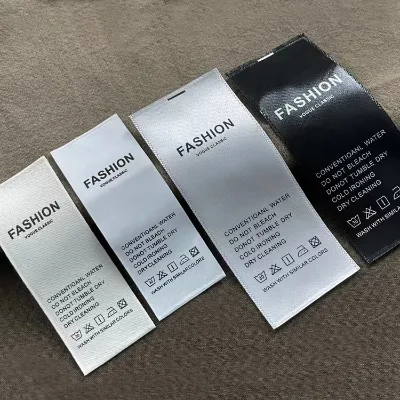
Procuring washable eco-friendly clothing labels requires distinguishing between durable woven fabrics and specialized paper-based solutions that meet specific care requirements. The market offers distinct product types, including self-adhesive options and in-mould labels, each serving different garment construction needs. Buyers must carefully evaluate whether a label's material composition, such as woven fabric or satin, aligns with the intended washing frequency and durability expectations of the final apparel item.
Verification of the label's physical attributes is critical before placing an order, as features like being folded or having a specific shape impact application methods. While some listings highlight eco-friendly and recycled characteristics, these claims must be cross-referenced with the actual material specifications provided by the supplier. Understanding the distinction between a standard hang tag and a permanent garment label ensures the selected product supports the brand's sustainability goals without compromising on the functional integrity of the clothing.
Product Scope and Observed Listing Signals
The current market landscape presents a diverse range of label types, from self-adhesive tags to hang tags featuring accessories like pins and strings. Listings indicate that customization is widely available, allowing buyers to specify custom colors, sizes, and even unique patterns such as printed or embossed designs. This flexibility extends to the material selection, where options include woven fabrics, satin, and various paper types like art paper or black card paper, catering to different aesthetic and functional requirements.
Observations of minimum order quantities reveal significant variation, ranging from small batches of thirty units to large-scale orders of three thousand pieces per design. This disparity suggests that suppliers cater to both prototyping needs and mass production runs, with specific models like 008 or BLF-T076 often associated with distinct production capabilities. Buyers should note that while some products offer rapid delivery within 48 hours, others may require longer lead times of approximately 15 days, influencing inventory planning and launch schedules.
Technical Specifications to Verify
Technical due diligence must focus on the specific surface treatments and printing capabilities that define the label's longevity and appearance. Buyers should verify if the product supports one-color silk printing or embossing art, as these processes affect the visual quality and tactile feel of the final label. Additionally, the presence of special handles like die-cutting or surface arts such as hot stamping can significantly alter the manufacturing process and the final product's resistance to wear and tear during garment use.
The structural integrity of the label is equally important, particularly regarding its shape and how it is applied to the fabric. Whether the item is a folded tag, a buckle type, or a standard hang tag, the attachment method must be robust enough to withstand the washing cycles specified for the garment. Specifications such as custom sizes and inner quality control standards are essential to confirm, ensuring that the label fits the designated area on pants, trousers, coats, or other apparel items without peeling or fading.
Compliance and Safety Documentation
While specific certification statuses like GOTS or OEKO-TEX are mentioned in broader industry contexts, buyers must request explicit documentation from suppliers to confirm compliance with safety standards. The absence of a guaranteed certification in the provided data means that relying on general claims of being eco-friendly or recycled is insufficient for rigorous supply chain audits. Procurement teams should demand test reports or certificates that validate the material's safety for direct skin contact, especially for items intended for adults or unisex use.
Safety verification also extends to the chemical processes used in printing and finishing, such as the inks used for one-color printing or the adhesives for self-adhesive labels. Buyers should ensure that the production process adheres to strict inner quality control measures to prevent the release of harmful substances. Without concrete evidence of compliance, the risk of non-conformance increases, potentially leading to product recalls or brand reputation damage if the labels fail to meet the safety expectations of the target market.
Cost Drivers and Commercial Terms
Commercial terms are heavily influenced by the minimum order quantity and the complexity of the customization requested. Orders starting at thirty units may carry a higher per-unit cost compared to bulk purchases of three thousand pieces, reflecting the economies of scale in manufacturing. The choice of material, such as premium satin versus standard paper, and the inclusion of special arts like embossing or hot stamping, will further drive up the unit price and require careful budget allocation.
Lead times and delivery schedules are critical variables that impact the overall cost of procurement and inventory management. While some suppliers offer rapid 48-hour delivery once payment is received, others operate on a standard 15-day cycle, which may necessitate earlier planning and larger safety stock levels. Buyers must factor in these timelines when negotiating payment terms and shipping costs, ensuring that the total landed cost aligns with the project's financial constraints and launch deadlines.
Supplier Qualification and Quality Control
Supplier qualification should prioritize manufacturers with documented origins in key production hubs like Dongguan or Guangzhou, Guangdong, China, where textile expertise is concentrated. These regions often host facilities capable of handling complex customization requests, from custom sizes to specific printing techniques. Verifying the supplier's location and production capacity helps ensure that the manufacturer has the necessary infrastructure to maintain consistent quality across large production runs.
Quality control mechanisms must be explicitly defined in the procurement agreement to mitigate the risk of defects. Buyers should insist on adherence to inner quality control standards and request pre-shipment inspections to verify that the labels meet the specified requirements for color, size, and material integrity. Establishing clear communication channels for addressing non-conformities is essential, as the difference between a standard product and a custom solution often lies in the rigor of the quality assurance process.
Long-Term Procurement Checks
Sustainable sourcing requires ongoing monitoring of the supplier's ability to maintain eco-friendly practices and material consistency over time. Buyers should regularly review the supplier's adherence to their stated features, such as being washable, recycled, or eco-friendly, to ensure these attributes do not degrade with repeated orders. Continuous engagement helps identify any shifts in material sourcing or production methods that could compromise the sustainability claims made at the outset of the partnership.
Performance tracking should also include an assessment of the supplier's responsiveness to changes in design or volume requirements. As the brand evolves, the need for new models or updated specifications may arise, and the supplier's ability to adapt quickly is a key indicator of a reliable long-term partner. Establishing a feedback loop for product performance in the field ensures that any issues with durability or application are addressed promptly, securing the integrity of the brand's labeling strategy for the future.
FAQs
Can washable eco friendly clothing labels be customized for specific garments?
Yes, customization is available for washable eco friendly clothing labels to meet specific garment requirements. Buyers can select from materials like woven fabric or satin, with options for custom colors and sizes. These labels are designed for use in garments, shoes, and bags, ensuring a tailored fit for various apparel needs while maintaining eco-friendly standards.
What materials are used for washable eco friendly clothing labels?
Washable eco friendly clothing labels are typically made from woven fabric or satin, offering durability and a premium feel. Some options also include paper-based materials like art paper for hang tags. These materials are selected for their washable properties and eco-friendly characteristics, ensuring they withstand repeated laundering while supporting sustainable fashion practices.
What is the minimum order quantity for washable eco friendly clothing labels?
The minimum order quantity varies by product type, ranging from 30 to 3000 pieces. For instance, some woven fabric labels have an MOQ of 30, while paper hang tags may require 3000 pieces per design. Buyers should check specific product details to determine the exact MOQ, as it depends on the material and customization level selected.
How long is the delivery time for washable eco friendly clothing labels?
Delivery times depend on the product type and order specifics. Some items, like paper hang tags, offer a 48-hour delivery once payment is received. Others, such as woven fabric labels, may have a lead time of about 15 days. Buyers should confirm the exact delivery schedule with the supplier based on their chosen product and order volume.
Are washable eco friendly clothing labels suitable for all garment types?
Yes, washable eco friendly clothing labels are suitable for various garment types, including pants, trousers, and coats. They are designed for adult unisex clothing and can be attached using methods like buckles or self-adhesive options. These labels are versatile, ensuring compatibility with different apparel styles while maintaining their washable and eco-friendly properties.